






Dubai approves Dhs18 billion in new projects: Here's what's changing



Landmark initiatives will see changes made to the city’s cultural strategy, major roads, population count and address system
HH Sheikh Hamdan bin Mohammed bin Rashid Al Maktoum, Crown Prince of Dubai and Chairman of The Executive Council, has announced a sweeping Dhs18 billion package of strategies and projects that are set to transform Dubai in the coming years. Announced during an Executive Council meeting on Wednesday, July 1, the new projects and strategies cover everything from culture and trade to transport, finance and how the city counts its own population.
Here’s what residents need to know.
Dubai Culture Strategy 2033
On the culture front, the Dubai Cultural Strategy 2033, led by HH Sheikha Latifa bint Mohammed bin Rashid Al Maktoum, sets out to turn Dubai into a global creative hub. The plan is built around four pillars and 40 initiatives, with ambitions to support over 6,000 local talents, draw in more than 6,000 international creatives, and grow the sector’s GDP contribution to 5.4%.
First Al Khail Street Development Plan
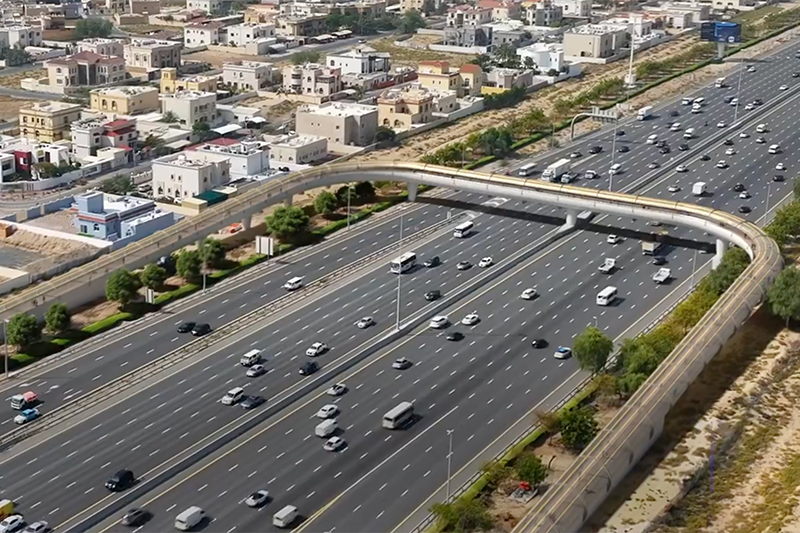
Commuters, take note: the First Al Khail Street Development Plan will add a new 15-kilometre elevated corridor running parallel to Sheikh Zayed Road, with three lanes in each direction. Construction kicks off in Q3 2027 and wraps by Q4 2030, ultimately serving 2.6 million people across Al Barsha, Al Quoz, Business Bay and Meydan and will cut peak-hour travel time on Sheikh Zayed Road by 51% during peak hours.
Dubai Population Now
There’s also a very Dubai idea in the mix: a real-time population clock. Dubai Population Now, run by the Dubai Data and Statistics Establishment, will use AI to track the city’s growth as it happens. For context, Dubai’s population hit 4.58 million by the end of 2025, up 332,000 on the year before.
Updating Dubai’s address system
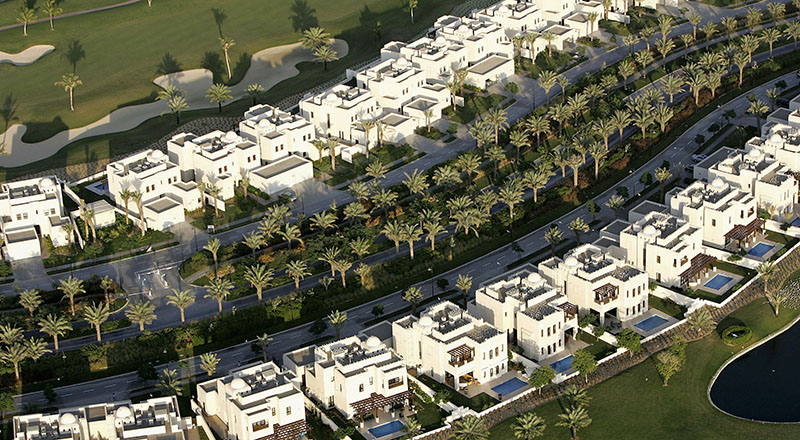
Elsewhere, the council approved a new visual identity for the city’s address system, giving signage a more distinctive, locally inspired look as it rolls out across 186 areas by 2029.
Global Centre for Technology and Innovation in Islamic Finance
On the finance side, Dubai is positioning itself as an Islamic fintech powerhouse with a new Global Centre for Technology and Innovation in Islamic Finance under DIFC, alongside a unified Dubai Investor Register designed to let companies and investors operate across zones without re-registering.
Education and customs
Rounding out the announcements: a new Emirati Talents Strategy in Private Education aiming to place 3,000 nationals in the sector by 2033, and an updated Dubai Customs Strategy 2030 focused on smoother, more secure trade.

