






UAE weather: What a 'Super El Niño' could mean for Dubai's summer



All signs point to a summer of extreme weather conditions…
‘Super El Niño’ might sound like the sort of chant that rings out across the terraces of a tense World Cup knock-out clash, with fans saluting a grizzled, veteran Portuguese holding midfielder as he takes the field. Or perhaps the name of a much beloved, face-masked, Mexican wrestler, 100 fights into an acrobatic career of capes and top rope japes. The reality is, that it’s neither of these things (as far as we know) – it’s the term some are using to describe a particular set of rare weather conditions, that may be taking place right now.
And it feels on brand to be perfectly honest. Amongst the headlines of plague boats and ongoing wars still raging on in the region, why shouldn’t the weather also be coming for us?
Global postcards from the climactic fall out of El Nino
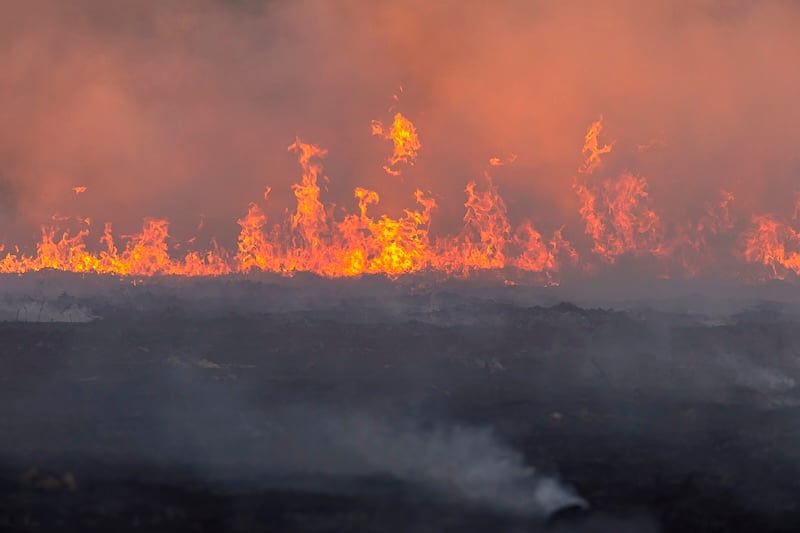


Forest Fires
Higher temperatures and droughts can lead to stubborn forest fires, like this scene here captured from Thailand
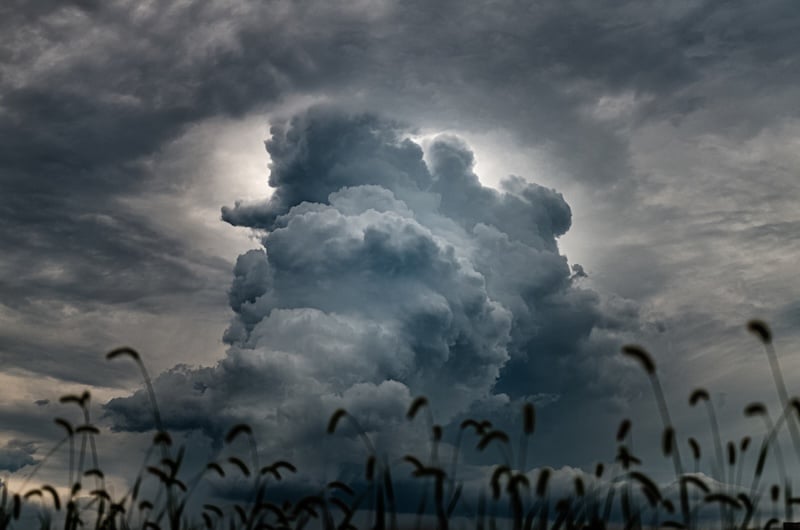
Storms clouds in China
El Nino can mean much heavier rainfall in some areas, with towering powerful storms and the risk of heavy flooding
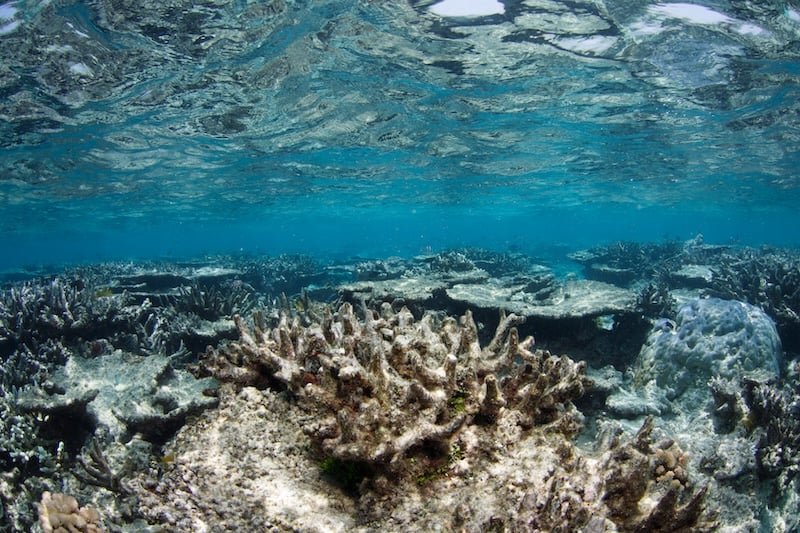
Coral mortality
Dead coral overgrown with algae on the Great Barrier Reef in Australia following a mass bleaching event
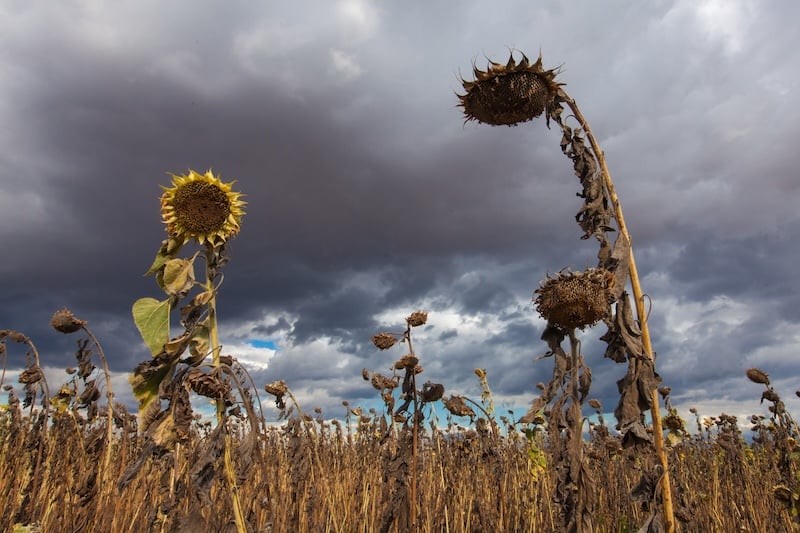
Field of dead sunflowers in Malawi during the drought
A field of dead sunflowers in Nsanje District, southern Malawi, under a blue sky with gathering storm clouds, during the severe drought of 2016, caused by El Nino.
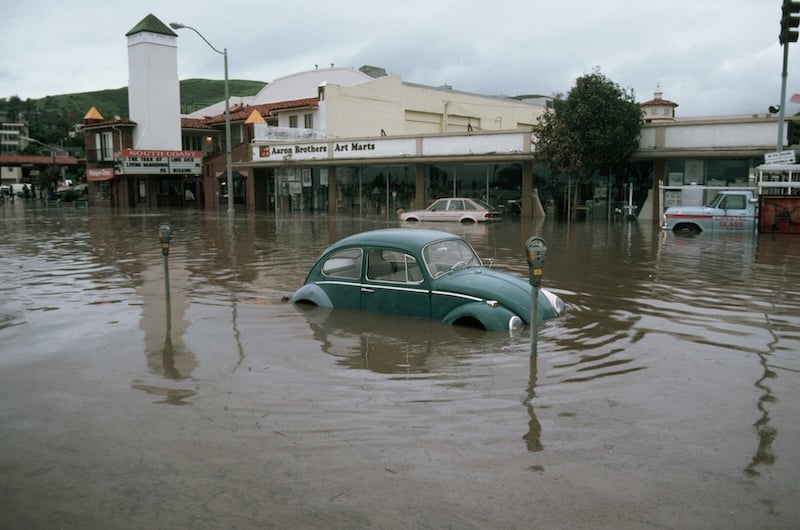
Volkswagen Bug in El Nino Flood
Floods from the El Nino Storm of 1983, engulf a blue Volkswagen Bug, parked on a shopping street in Laguna Beach. California, USA.
More info below.
What is the El Niño effect?
In simple terms, it’s the name give to a water heating event in the Pacific Ocean. National and international meteorological agencies, most notably the National Oceanic and Atmospheric Administration (NOAA) in the US and the World Meteorological Organization (WMO), look at temperature data to determine whether prevailing conditions exceed (or fall short of) annual averages.
The Oceanic Niño Index (ONI) is used to calculate the average sea surface temperature in the central Pacific. If these temperatures are more than 0.5°C warmer than average for a consecutive three-month period, an El Niño period is confirmed.
And then there is the opposite effect – La Niña – which is declared if temperatures are found to be 0.5°C cooler for three months.
Half a degree doesn’t sound like much, but the knock on effects can be dramatic. One of the most extreme El Niño periods on record, the 1982–83 season, has 1,300–2,000 deaths attributed to it and around 13 billion dollars in in damage globally, according to Woods Hole Oceanographic Institution. Hallmark features of El Niño are higher temperatures, heavier rainfall and just more extreme weather. The devastation comes principally from events such as droughts, and floods, fires and resultant migration.
The last El Niño year, 2024, was confirmed by the WMO to be the warmest year on record.
What’s a ‘Super El Nino?’
“He’s hot, he’s wet, he always finds the netttt – Super El Niño”. The ‘super’ element of this moniker is disputed, the WMO for example – does not acknowledge it as an official classification. It’s essentially a way of describing a particularly ‘strong El Niño’, and forecasters are pretty confident that 2026 is warming up to an “at least moderate, possibly strong” (WMO) El Niño year.
The UN Secretary-General, António Guterres, went on record as saying: “El Niño is arriving on our doorstep in the coming months with 90% certainty. The world must treat it as the urgent climate warning it is”.
Which regions are most strongly effected by El Niño?
These are global events, effecting weather systems across the planet, but some areas feel the effects more than others.
The regions most commonly hit hard by the weather extremes of El Niño are: Australia and Indonesia, Peru, Ecuador and western South America, Southern Africa, South Asia (especially India), East Africa and the Horn of Africa, Central America and the Caribbean, Southern United States / northern Mexico.
And it’s often not the droughts or the floods themselves that cause the most problems, it’s the human cost of what happens after. Crop failure and food shortages, wild fires and waterborne diseases, fish migration patterns and landslides.
What about the UAE?
The UAE is not at any particular elevated or extreme risk, but established patterns suggest that we could be looking ahead to a summer that’s a little more humid than usual, with slightly increased baseline heat.
None of this is confirmed of course, and whatever the weather is doing outside, the real climate battle will be happening inside UAE offices, with employees fighting over control of the AC thermostat.
Images: Getty

