






Venomous creatures we should be aware of in Dubai



Following the recent black widow discovery in a Dubai garden, what other animals should we be on the look out for..?
No. We’re not talking about your ex.
Reported in The National this week, a resident of Emaar South Parkside 2 recently made an unusual wildlife discovery in his garden.
Rogue’s gallery
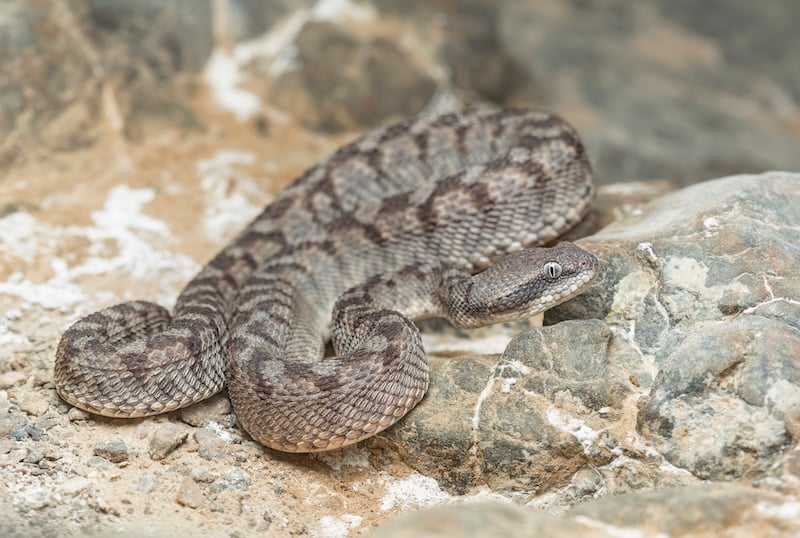


Saw-scaled viper
Echis omanensis, usually found in more mountainous or rocky areas, fun fact – whilst these snakes are responsible for up to 10,000 deaths globally each year, there have been no recorded fatalities in the UAE over the last decade
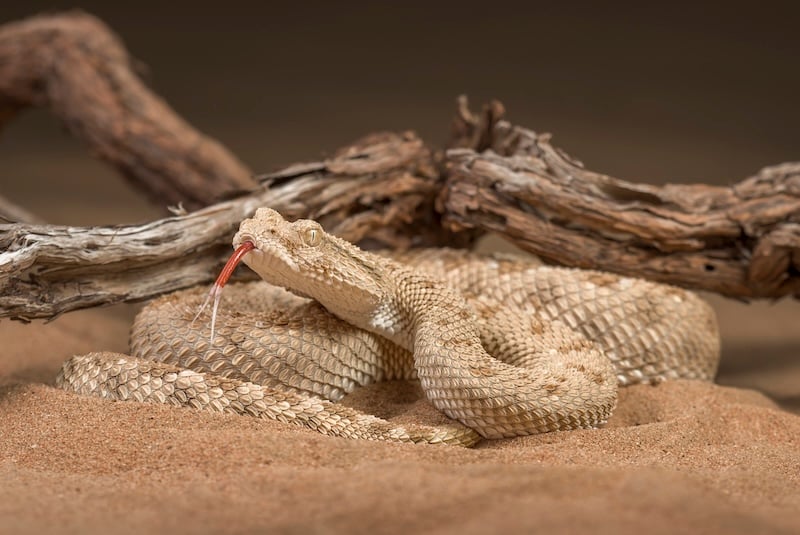
Arabian desert horned viper (Cerastes gasperettii), Sharjah, UAE
Cerastes gasperettii usually found in more sandy, desert areas
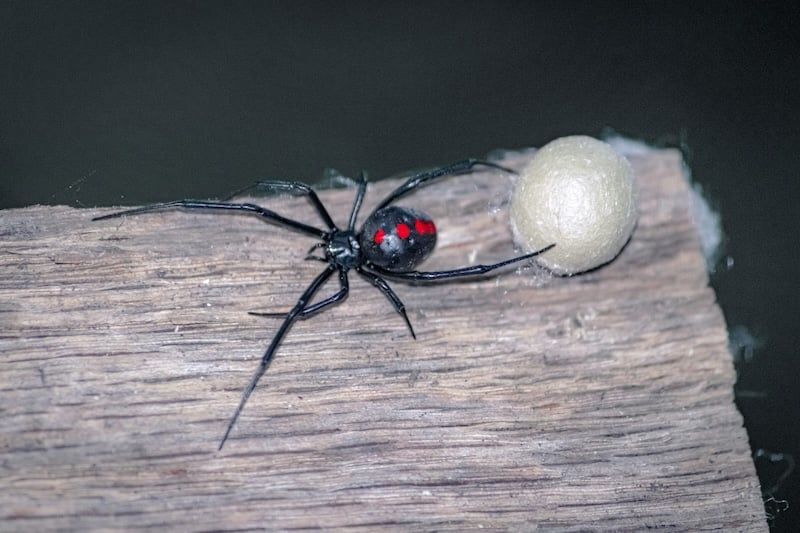
Black widow
The spider, not The Avenger
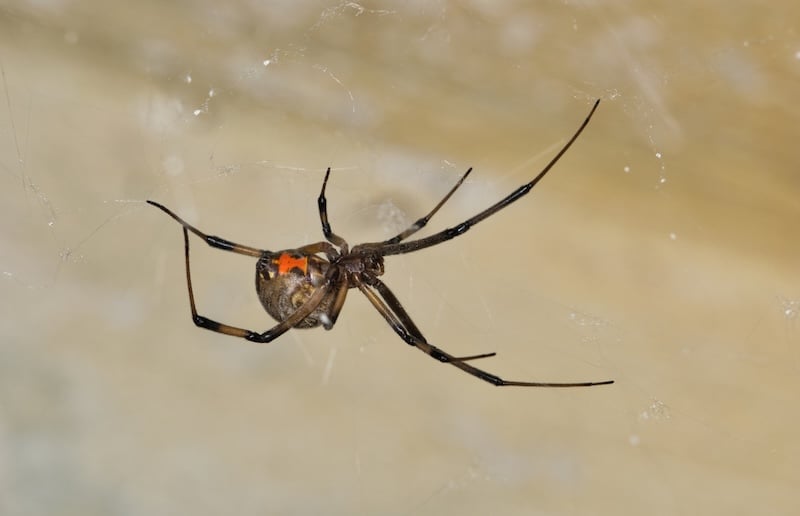
Brown Widow Spider
Like it's darker coloured sibling, a bite from this spicy arachnid also packs a painful punch
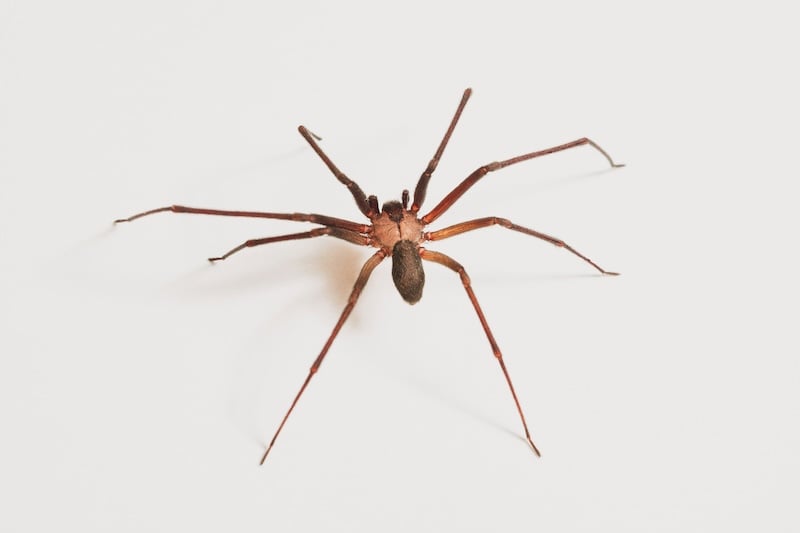
Brown recluse
Loxosceles reclusa, envenomation is unlikely to cause a hospital visit, but it will likely hurt
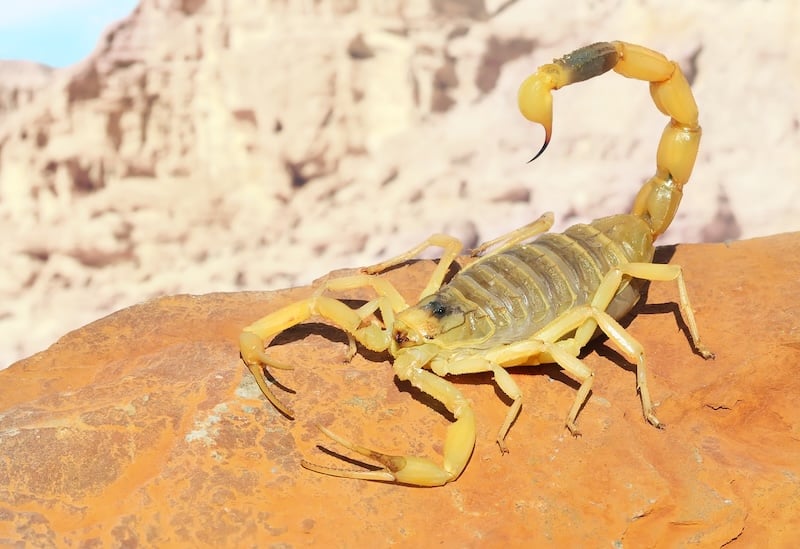
Deathstalker scorpion
Palestine yellow scorpion or Deathstalker, native to UAE deserts these villainous looking insects were not named on a whim, the advice remains get thee to a hospital ASAP if you’re stung
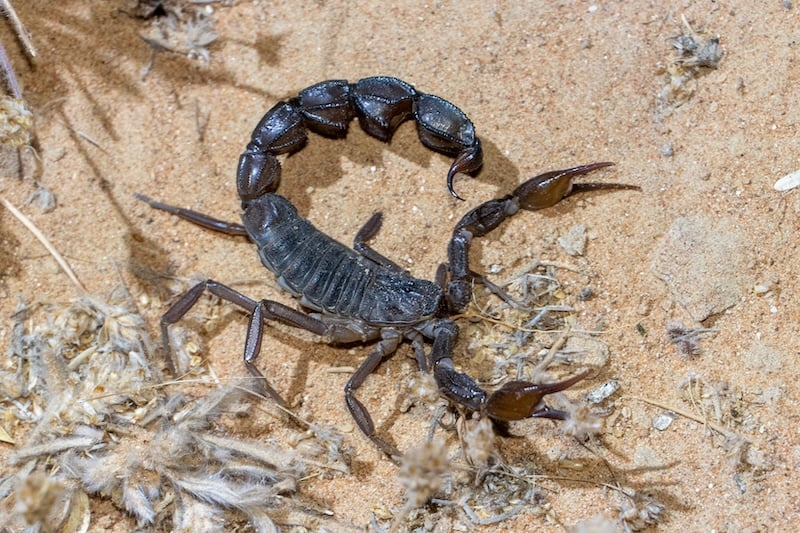
Arabian fat-tailed scorpion
Androctonus crassicauda, more common though less immediately problematic than the deathstalker, the venom can still cause significant bodily harm, so a sting means it’s off to the anti-venom clinic with you.
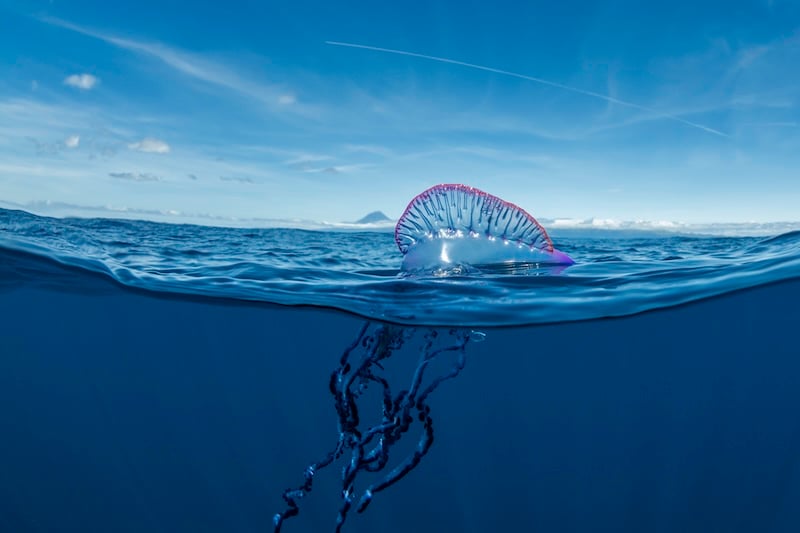
Portuguese man of war
Physalia physalis, technically a siphonophore not a jellyfish, these are uncommon in UAE waters but are highly venomous and have a blue-purple float. Stings are intensely painful and require immediate medical attention
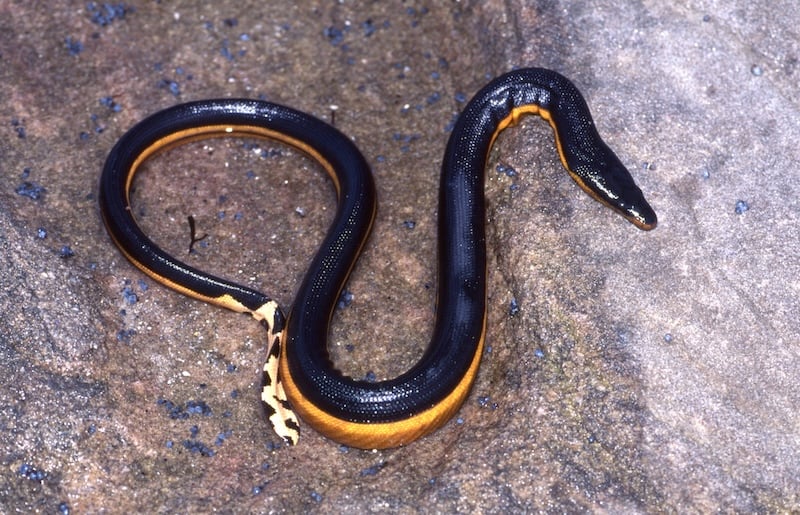
Yellow-bellied Sea Snake
Hydrophis platurus, found in coastal waters during the cooler months, these aquatic serpents are highly venomous but very rarely bite.
Given the images, adding a trigger warning for arachnophobes at this stage is probably a little redundant. But yes, the species that was discovered has been confirmed as the infamous ‘black widow spider’.
Talking to The National, in an impressively nonchalant fashion, Muhammad Usman recalls first spotting the arachnid on his leg “I haven’t seen them before in Dubai. I’m quite intrigued by spiders, scorpions, snakes and centipedes, so I know what exactly they look like.”
After doing a little more David Attenborough investigative work in his garden he found a further eight or so individuals under a bike cover. And whilst the first resort of many wold be to ‘kill it with fire’, Usman’s natural reaction was more compassionate.
“I don’t kill insects, I don’t think that’s right” he told The National, “I always oppose killing because they are in their natural habitat. We, humans are the ones who have encroached.”
What should you do if you spot a black widow (or any other potential venomous animal) in Dubai?
Call Dubai Municipality on 800 900, or navigate to the appropriate section on the app.
Whilst experts say spiders only usually engage the fangs as a last resort of self defence, and that black widow bites are rarely fatal in healthy adult humans, if it does happen, the venom can cause significant discomfort and the symptoms can last for days.
What are black widows and are they common in the UAE?
Black widows are not native to the UAE, but there have been a few recorded sitings of the eight-legged Avenger in the past. Relatively small (around 5 to 15mm) and made distinct by a dark, shiny black body with an hour glass marking on their back – black widows are probably best known for their, ahem, domestic cannibalism. And it’s true, at least it can be, the females genuinely do sometimes eat their mates.
Identifying animals has become easier with AI-based software, but the best advice for dealing with unknown creatures remains, leave them be. And if you’re in any sort of doubt, speak to Dubai Municipality.
What other venomous creatures live in the UAE?
As with most parts of the globe the UAE does contain within its borders some creatures that are worth being familiar with for purposes of avoidance (and you can find a gallery of them, for identification purposes, above). It’s highly unlikely you’ll meet any of these animals in an urban setting, but if you do, and you’re stung or bitten – call 999, explain the situation and wait for an ambulance to take you to the nearest clinic or hospital with the required anti-venom.
Snakes
Saw-scaled viper (Echis omanensis), usually found in more mountainous or rocky areas, fun fact – whilst these snakes are responsible for up to 10,000 deaths globally each year, there have been no recorded fatalities in the UAE over the last decade; Arabian horned viper (Cerastes gasperettii) usually found in more sandy, desert areas; Yellow-bellied sea snake (Hydrophis platurus), found in coastal waters during the cooler months, these aquatic serpents are highly venomous but very rarely bite.
Scorpions
Deathstalker (Leiurus quinquestriatus), native to UAE deserts these villainous looking insects were not named on a whim, the advice remains get thee to a hospital ASAP if you’re stung; Arabian fat-tailed scorpion (Androctonus crassicauda), more common though less immediately problematic than the deathstalker, the venom can still cause significant bodily harm, so a sting means it’s off to the anti-venom clinic with you.
Spiders
In addition to the black widow, try and avoid the brown widow – whose bite also packs a painful punch; the brown recluse is non native and non established (Loxosceles reclusa), envenomation is unlikely to cause a hospital visit, but it will likely hurt.
Jellyfish
Portuguese Man of War (Physalia physalis), technically a siphonophore not a jellyfish, these are uncommon in UAE waters but are highly venomous and have a blue-purple float. Stings are intensely painful and require immediate medical attention.
For more information on the sorts of sharks you can encounter in the waters, you can find our full expert-led guide here.

