





Al Safa street in Dubai to get massive upgrades


The project will reduce travel time and double the street’s capacity
Dubai’s Roads and Transport Authority (RTA) is accelerating the construction of infrastructure networks in a bid to ensure smoother traffic flow across the city. The latest project to join the master plan is the Al Safa Street Improvement Project.
The scope of the project extends from the junction of Al Safa Street with Sheikh Zayed Road to the junction with Al Wasl Street. It includes the building of two bridges and two tunnels, the widening of roads, and upgrades to intersections and traffic signal systems. When complete, travel time will be reduced from 12 minutes to just three.
View this post on Instagram
The first bridge will serve traffic from Al Satwa Road towards Sheikh Zayed Road and Financial Centre Street, and the second will accommodate traffic coming from Al Satwa Road towards Sheikh Zayed Road and Financial Centre Street.
The first tunnel will serve traffic coming from Sheikh Zayed Road and Financial Centre Street towards Al Wasl Street, and the second will be located at the intersection of Al Wasl Street and Al Safa Street.
*This Dubai Metro station has just been renamed*
When completed, the project will enhance traffic flow from the upper deck of Financial Centre Street and Sheikh Zayed Road towards Al Safa Street and Al Wasl Street, and vice versa.
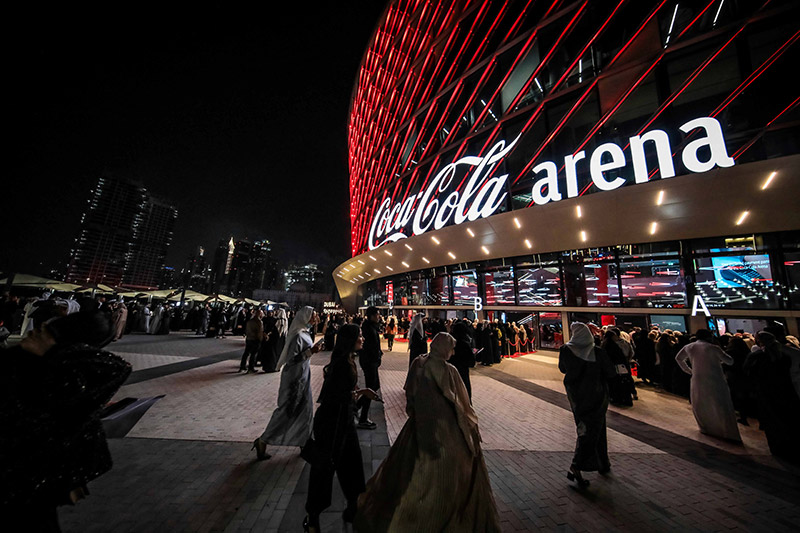
Coca-Cola Arena, Citywalk
Speaking on the project, His Excellency Mattar Al Tayer, Director General, Chairman of the Board of Executive Directors of Dubai’s RTA stated, “The project serves a vital district renowned for hosting numerous tourism, cultural, and sporting events and is home to key landmarks such as City Walk, Coca-Cola Arena, educational institutions, residential and commercial areas, luxury hotels, and high-end restaurants. It also enhances connectivity with Downtown Dubai and nearby developments along Financial Centre Street, an area inhabited by over one million residents.”
Al Tayer added that the project includes ‘the development of dedicated pedestrian walkways and cycling tracks, vibrant urban spaces that encourage community interaction, and the integration of a dynamic public realm enhanced by landscaped areas.’
Images: Still from RTA video

